What is Myasthenia Gravis?


Type of Myasthenia Gravis
Autoimmune Myasthenia Gravis Includes various subtypes, such as:
- Acetylcholine Receptor (AChR) Positive (AChR+): The most common form, affecting approximately 80% of cases.
- Seronegative Myasthenia Gravis: Occurs when no detectable antibodies are found.
- Anti-Muscle Specific Kinase (MuSK) Positive: A rarer form with distinct clinical features.
- LRP4-Associated Myasthenia Gravis: Another subtype with unique antibody involvement.
- Lambert-Eaton Myasthenic Syndrome (LEMS): A related autoimmune condition affecting nerve signalling.
While AChR+ accounts for the majority of cases, the Myasthenia Alliance Australia (MAA) ensures all subtypes are recognised and supported.
Congenital Myasthenia Gravis (CMS)
- A rare, inherited form of MG caused by genetic mutations affecting neuromuscular transmission. Unlike autoimmune MG, CMS does not involve an immune system attack but still leads to muscle weakness and fatigue.
Who is Affected:
MG can occur at any age but is most common in women under 40 and men over 60.
It affects approximately 2,500 people in Australia.
Is Myasthenia Gravis Curable?
While there is no cure for MG, treatments and symptom management strategies can significantly improve quality of life.
How Myasthenia Gravis Affects the Body:
For most people the immune system produces antibodies that interfere with signals between nerves and muscles.
Commonly affected muscles include those controlling the eyes, face, throat, and limbs
Symptoms of Myasthenia Gravis:
Muscle weakness that worsens with activity and improves with rest.
Drooping eyelids (ptosis), double vision (diplopia), and difficulty swallowing or speaking.
Generalised fatigue and persistent tiredness, even after rest
Difficulty chewing or holding up the head, especially later in the day
Weakness in the arms, hands, legs, or neck, often impacting daily tasks
Impaired mobility and balance, including unsteady walking or difficulty climbing stairs
Weakness in breathing muscles during severe episodes.
FAQs
MG is a chronic autoimmune condition that disrupts communication between nerves and muscles, leading to weakness and fatigue. Learn more on the ‘What is MG’ section above.
MG occurs when the immune system produces antibodies that block or destroy communication between nerves and muscles. The exact cause is not fully understood, but it is considered an autoimmune disorder in most cases.
No, MG is not contagious. It is an autoimmune condition and cannot be spread from person to person.
Myasthenia Gravis (MG) symptoms often include muscle weakness that worsens with activity and improves with rest. Common signs include drooping eyelids, double vision, difficulty swallowing or speaking, persistent fatigue, and weakness in the arms, legs, neck, or breathing muscles. Some people also experience impaired balance, mobility issues, and trouble with chewing or holding up their head - especially later in the day.
MG is diagnosed through a combination of clinical evaluation, antibody blood tests, nerve conduction studies, and imaging of the thymus gland.
There is currently no cure for MG, but treatments are available to help manage symptoms and improve quality of life.
Recent progress in understanding the immune system’s role in Myasthenia Gravis (MG) has led to important improvements in diagnosis and treatment approaches. These advancements aim to help individuals with MG better manage their condition and improve overall quality of life.
However, despite available treatments, many people with MG continue to face ongoing physical, emotional, and social challenges. Access to care is not always equal, and treatment responses vary widely.
That’s why continued research, clinical trials, and advocacy are critical – to uncover more effective therapies, improve accessibility, and provide renewed hope for people living with MG. This is a time of momentum and optimism in the field, with promising developments on the horizon.
MG is a chronic neurological condition. While treatments can reduce MG symptoms many people with MG still experience ongoing MG symptoms that limit their daily functioning and quality of life, There is a need for improved access to treatments and research to develop new treatments that could improve the quality of life of people with MG.
State-Based Support & Resources
Connect with Your State-Based MG Support Network
For detailed information, support services, and resources related to Myasthenia Gravis (MG), we encourage you to connect with the state-based MG associations.
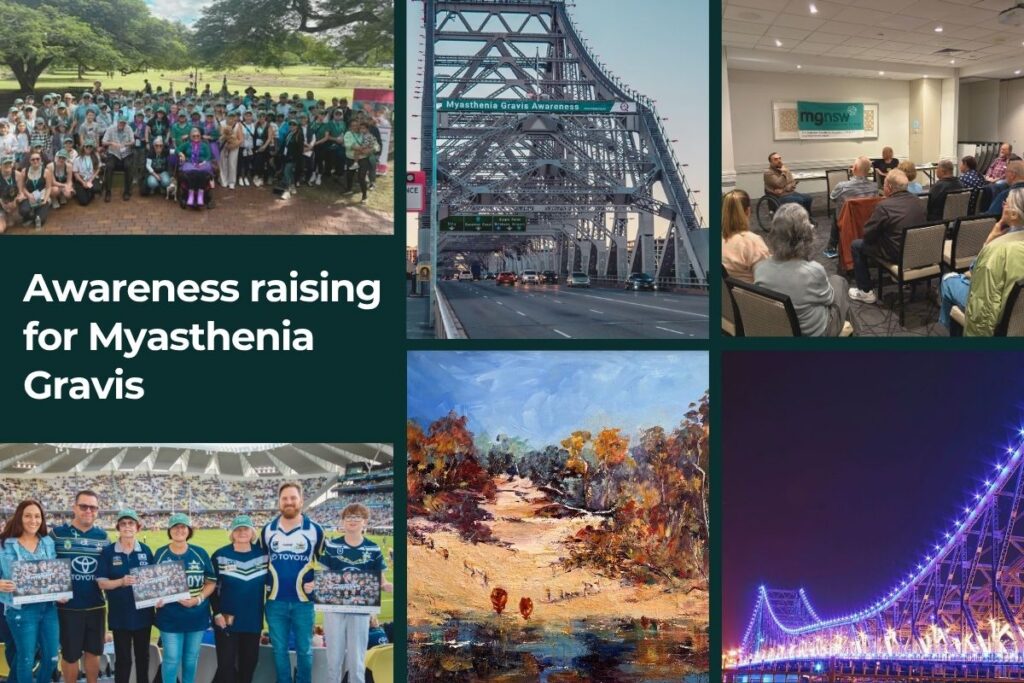
The Myasthenia Gravis Association of Queensland (MGAQ) and the Myasthenia Gravis Association of New South Wales (MGNSW) provide comprehensive resources, community support, and advocacy for people living with MG across Australia.
THE ASSOCIATIONS OFFER:
Educational materials
- To help patients and carers understand MG.
State-based support groups
- For connection and shared experiences.
Closed Facebook communities
- For members to access peer support.
Advocacy and awareness initiatives
- To improve MG care and recognition.
Visit their websites to learn more and get involved.


Register for MAA’s News Feed
Expert Insights & Medical Advancements
Understanding Myasthenia Gravis is key to better care and management. Get access to expert updates, emerging treatments, and medical discoveries by joining the MAA News Feed.
Medications and MG – Drugs To Use With Caution
Understanding Drug Sensitivities in Myasthenia Gravis
Some medications can worsen MG symptoms or trigger a myasthenic crisis. It's crucial that healthcare providers are aware of these risks to ensure safe and effective treatment plans. The following resources offer guidance on drugs that should be used with caution or avoided entirely for patients living with MG.
Below you’ll find a detailed table outlining high-risk medications, common interactions, and clinical recommendations to support informed decision-making in MG care.
⚠️ Important Information for Prescribers and Patients
The following table includes a partial list of medications that may worsen Myasthenia Gravis (MG) symptoms. It is intended as a guide to support informed treatment decisions between patients and their healthcare providers.
Please note:
-
Individual responses vary. The medications listed can be used in MG patients when clinically appropriate and with careful monitoring.
-
Presence on this list does not mean a drug is strictly contraindicated.
-
Absence from this list does not guarantee a drug is safe. Always consult a specialist familiar with MG when prescribing new medications.

Additional Resources
For a more detailed list and professional guidance, visit the MGFA’s Resources for Professionals page.
📄 Prefer a printable version?
Download the MAA Trifold: Drugs That May Worsen MG Symptoms (PDF)
This easy-reference guide is designed for both patients and healthcare providers.
Advancing the Understanding of Myasthenia Gravis
Breakthrough Research & Innovations in Myasthenia Gravis Treatment
Staying informed about the latest research is key to understanding the progress being made in treating and managing Myasthenia Gravis.

Key Research Updates

MG COMMUNITY INSIGHTS
What MG Patients Want You to Know
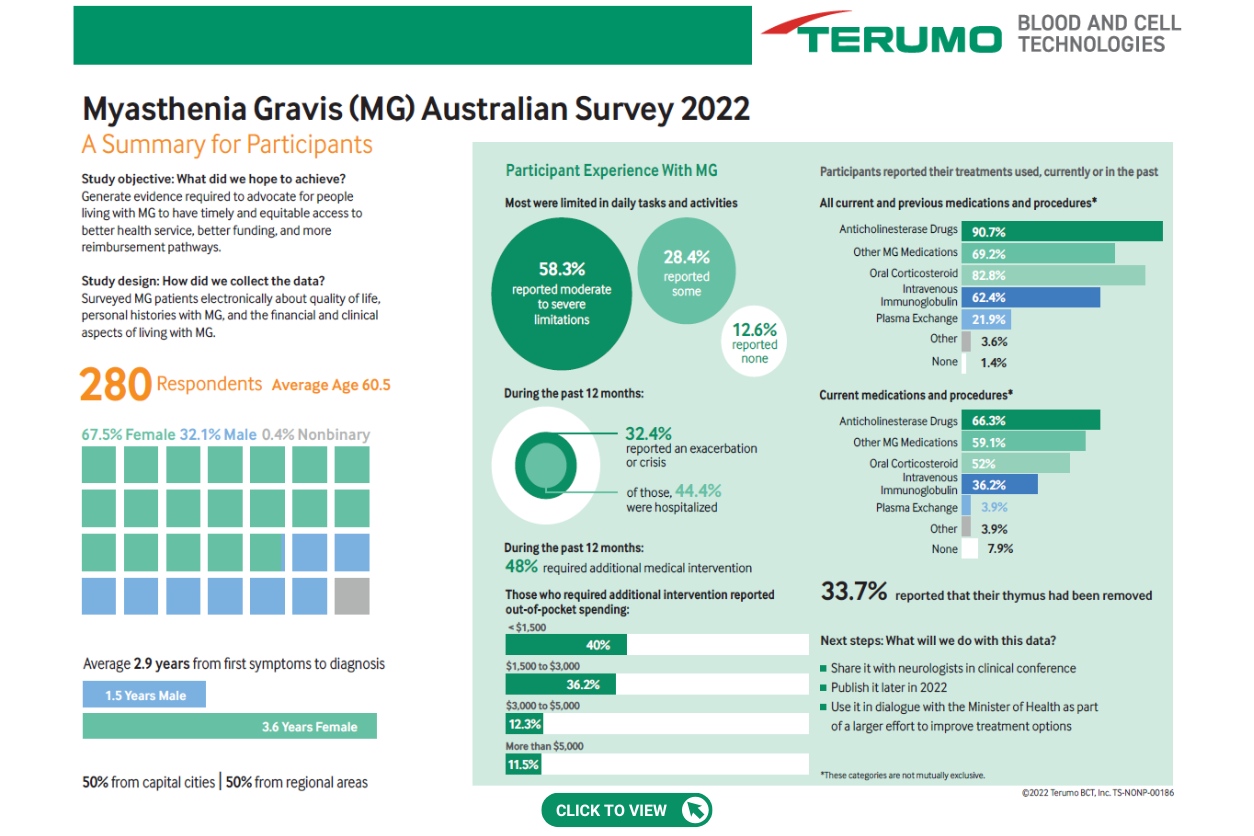
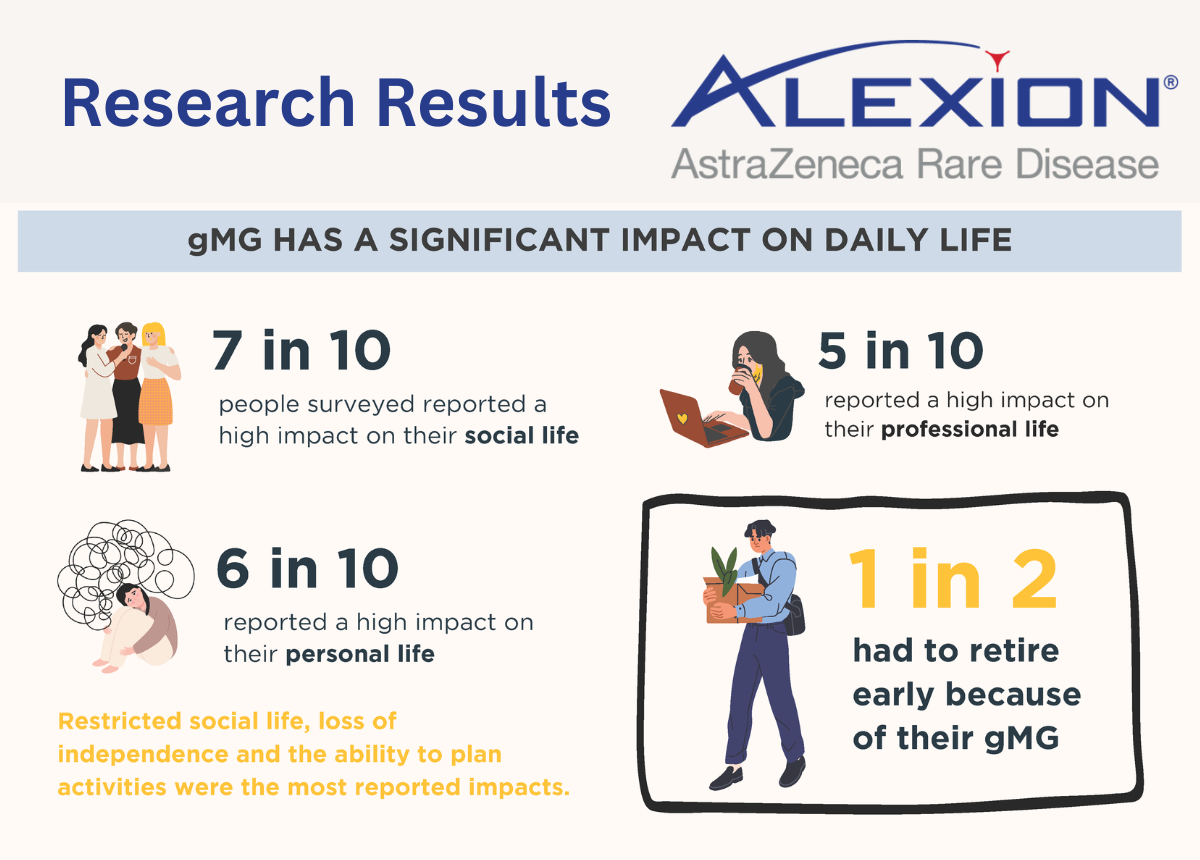
The MG Patient-Reported Outcomes Survey highlights real-world experiences, from diagnosis delays to treatment access and quality-of-life challenges. This research provides critical insights into the needs of the MG community and the impact of the condition.
Your voice shapes the future - this data is driving real change.
Myasthenia Alliance Australia

CLINICAL SPOTLIGHT
Myasthenia gravis in 2025: five new things and four hopes for the future
Effective Myasthenia Gravis (MG) management is shaped by both a patient’s age and disease stage.
Understanding these factors is key to delivering targeted, long-term care.
Recent research highlights advancements in treatments and evolving approaches to support patients throughout their MG journey.
Click to discover the latest insights shaping MG care and why personalised approaches matter.
Age and stage are both relevant in myasthenia management
Journal of Neurology

EXPERT INSIGHTS
Myasthenia Gravis and symptom assessment tools to improve outcomes
How do we move from treating symptoms to truly understanding the person behind them?
In our latest webinar, Dr Carlo Antozzi, a world-leading neurologist from Milan, explores how patient-reported outcomes and holistic care are reshaping the future of myasthenia gravis treatment.
We learned that the patient must be included in the therapeutic path. It’s not only about prescribing drugs - we must think about the patient in a holistic way.
Dr Carlo Antozzi

NURSING EXCELLENCE
The Vital Role of Nurses in MG Care
Nurses play a central role in supporting people living with myasthenia gravis, providing not only clinical care but also guidance, advocacy, and reassurance at every stage of the journey.
Emotional and practical support matter just as much as clinical treatment
Jenny Stofmeel
Promising New Treatments
- Access to more targeted treatments, have shown significant potential in managing MG symptoms effectively. Recent trials continue to explore their impact on long-term outcomes.
- Learn More →
Advanced Therapies
- Researchers are investigating genetic factors that may contribute to MG, aiming to develop more targeted and personalised treatment options.
- Read More →
Thymectomy Outcomes
- Recent studies have highlighted the benefits of thymectomy in certain MG patients, leading to improved symptom control and reduced medication dependence.
- Explore Findings →
Patient-Centric Trials
- Ongoing clinical trials are focusing on patient-reported outcomes to better tailor treatments to the lived experiences of MG Warriors.
- View Trials →
Register for MAA’s News Feed
Latest MG Research & Treatment Insights
Stay up to date with the latest research, treatment advancements, and expert insights on Myasthenia Gravis. Sign up for the MAA News Feed to receive reliable, research-backed updates as they become available.
Latest Research & Medical Insights
Understanding Myasthenia Gravis (MG) is key to better management and treatment. This section highlights the latest research, emerging treatments, and medical advancements shaping the future of MG care.
Explore evidence-based insights, clinical studies, and expert perspectives to stay informed about ongoing developments in MG diagnosis, treatment, and care.
Read the latest updates below.