Medications and MG – Drugs To Use With Caution
Understanding Drug Sensitivities in Myasthenia Gravis
Some medications can worsen MG symptoms or trigger a myasthenic crisis. It's crucial that healthcare providers are aware of these risks to ensure safe and effective treatment plans. The following resources offer guidance on drugs that should be used with caution or avoided entirely for patients living with MG.
Below you’ll find a detailed table outlining high-risk medications, common interactions, and clinical recommendations to support informed decision-making in MG care.
⚠️ Important Information for Prescribers and Patients
The following table includes a partial list of medications that may worsen Myasthenia Gravis (MG) symptoms. It is intended as a guide to support informed treatment decisions between patients and their healthcare providers.
Please note:
-
Individual responses vary. The medications listed can be used in MG patients when clinically appropriate and with careful monitoring.
-
Presence on this list does not mean a drug is strictly contraindicated.
-
Absence from this list does not guarantee a drug is safe. Always consult a specialist familiar with MG when prescribing new medications.


Additional Resources
For a more detailed list and professional guidance, visit the MGFA’s Resources for Professionals page.
📄 Prefer a printable version?
Download the MAA Trifold: Drugs That May Worsen MG Symptoms (PDF)
This easy-reference guide is designed for both patients and healthcare providers.
Comprehensive Medical Information for Myasthenia Gravis
Trusted Medical Insights & Resources for Managing Myasthenia Gravis
Stay informed with the latest clinical information and protocols to deliver optimal care for MG patients. These resources are tailored to meet the needs of medical professionals in diverse care settings.

Diagnostic Considerations for Health Professionals
RESEARCH & ADVANCEMENT
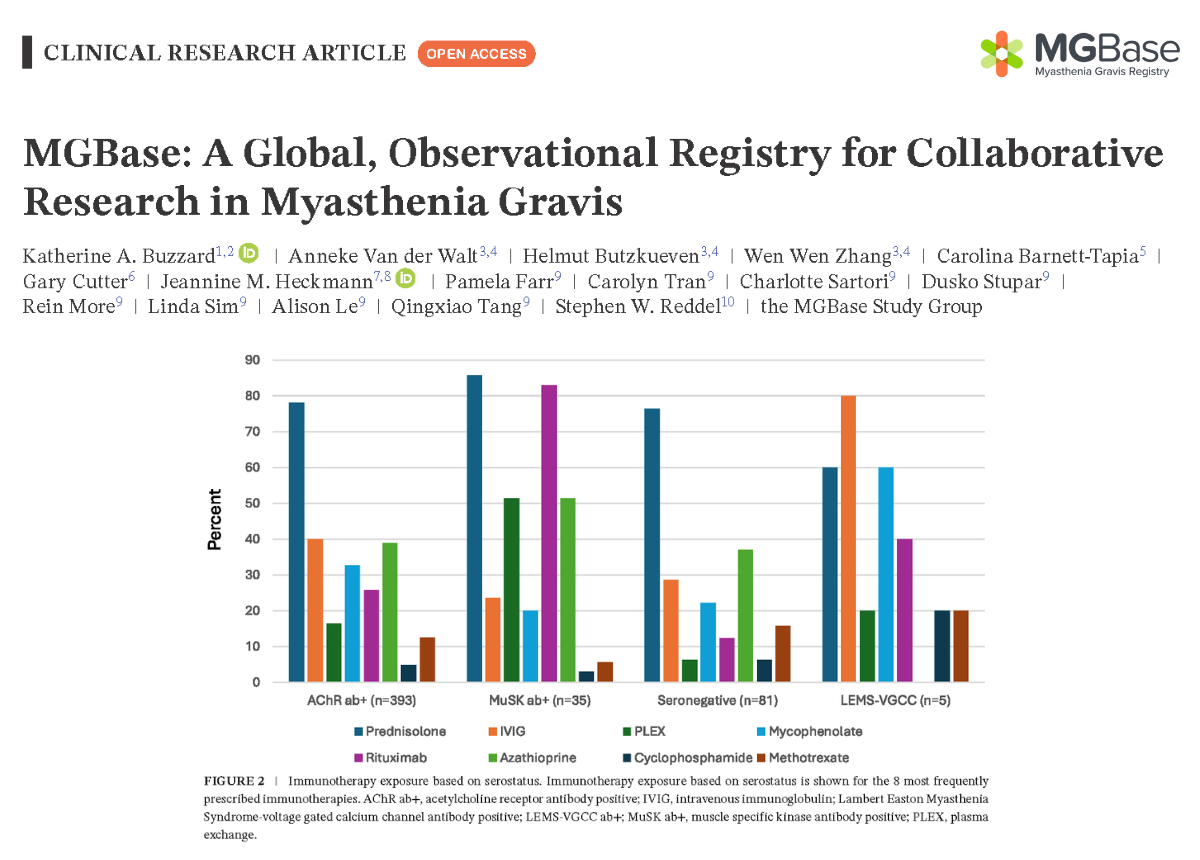
Join the MGBase Registry & Drive Medical Progress
The MGBase Registry collects de-identified patient data to support critical research into Myasthenia Gravis. By participating, healthcare professionals help advance personalised treatments, improve early diagnosis, and shape future care policies.
Together, we can transform MG research and care worldwide.
MGBase Registry
EXPERT INSIGHTS
Understanding Myasthenia Gravis: Diagnosis & Treatment
Neurologist Dr. Fiona Chan shares her expertise on the clinical presentation, diagnostic challenges, and immunotherapy in MG treatment. This discussion is a valuable resource for healthcare professionals, offering a clear, practical approach to early diagnosis and patient care.
Early detection and targeted treatment can greatly improve patient outcomes.
Dr. Fiona Chan

MG COMMUNITY INSIGHTS
What MG Patients Want You to Know
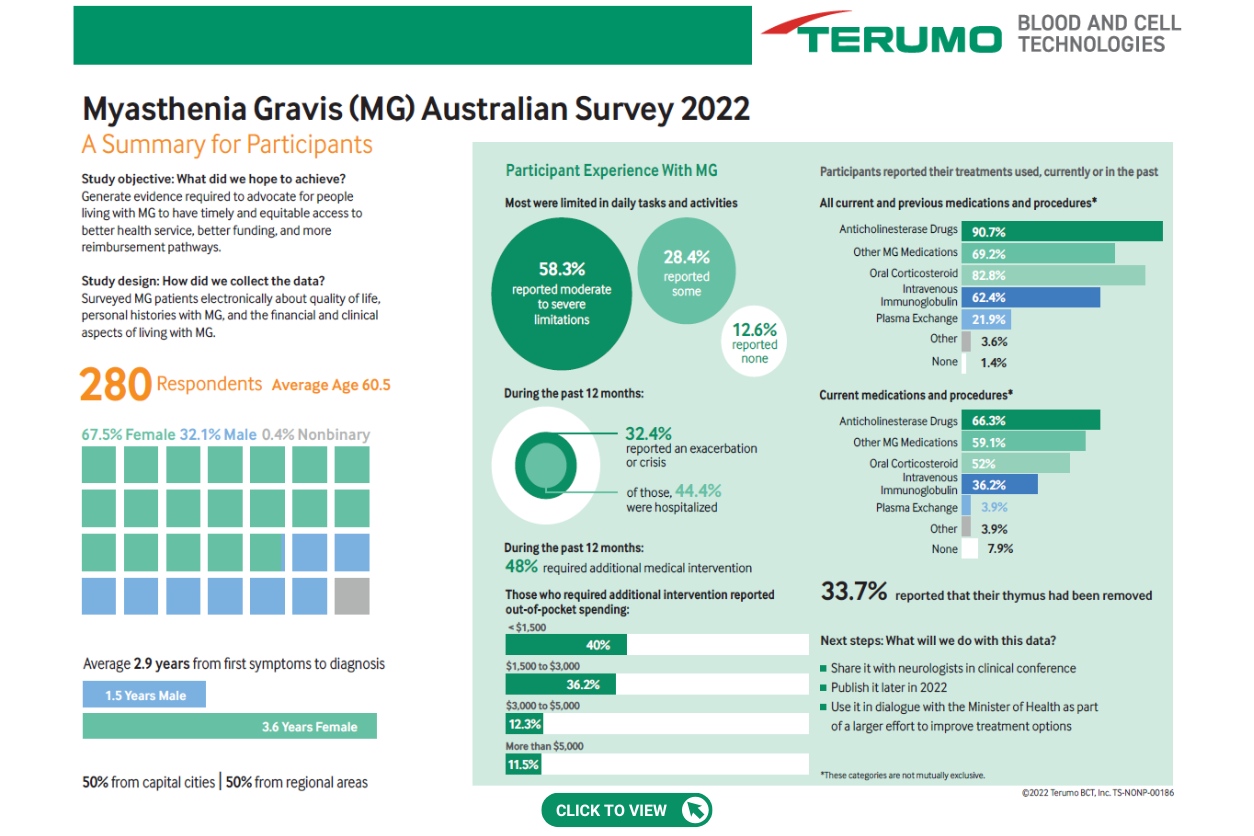
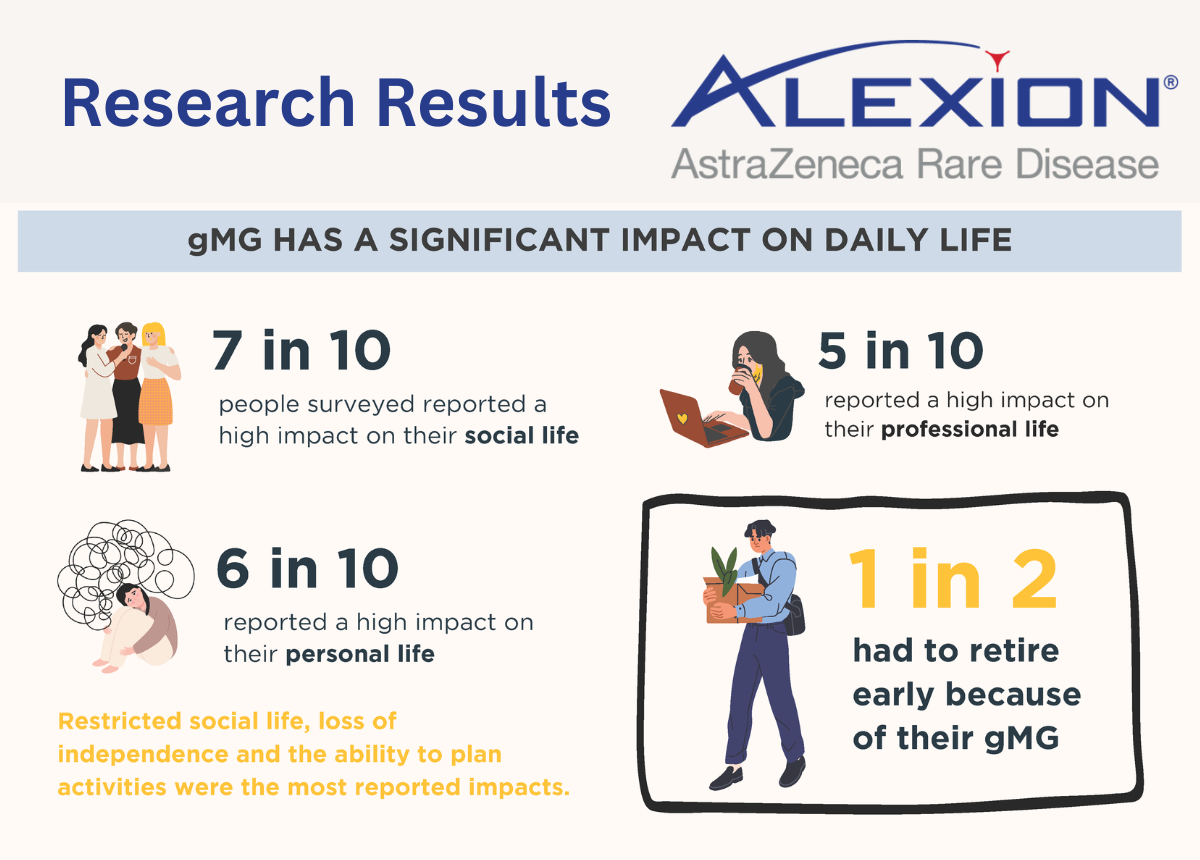
The MG Patient-Reported Outcomes Survey highlights real-world experiences, from diagnosis delays to treatment access and quality-of-life challenges. This research provides critical insights into the needs of the MG community and the impact of the condition.
Your voice shapes the future - this data is driving real change.
Myasthenia Alliance Australia

CLINICAL SPOTLIGHT
Myasthenia gravis in 2025: five new things and four hopes for the future
Effective Myasthenia Gravis (MG) management is shaped by both a patient’s age and disease stage.
Understanding these factors is key to delivering targeted, long-term care.
Recent research highlights advancements in treatments and evolving approaches to support patients throughout their MG journey.
Click to discover the latest insights shaping MG care and why personalised approaches matter.
Age and stage are both relevant in myasthenia management
Journal of Neurology

REAL STORIES. REAL IMPACT.
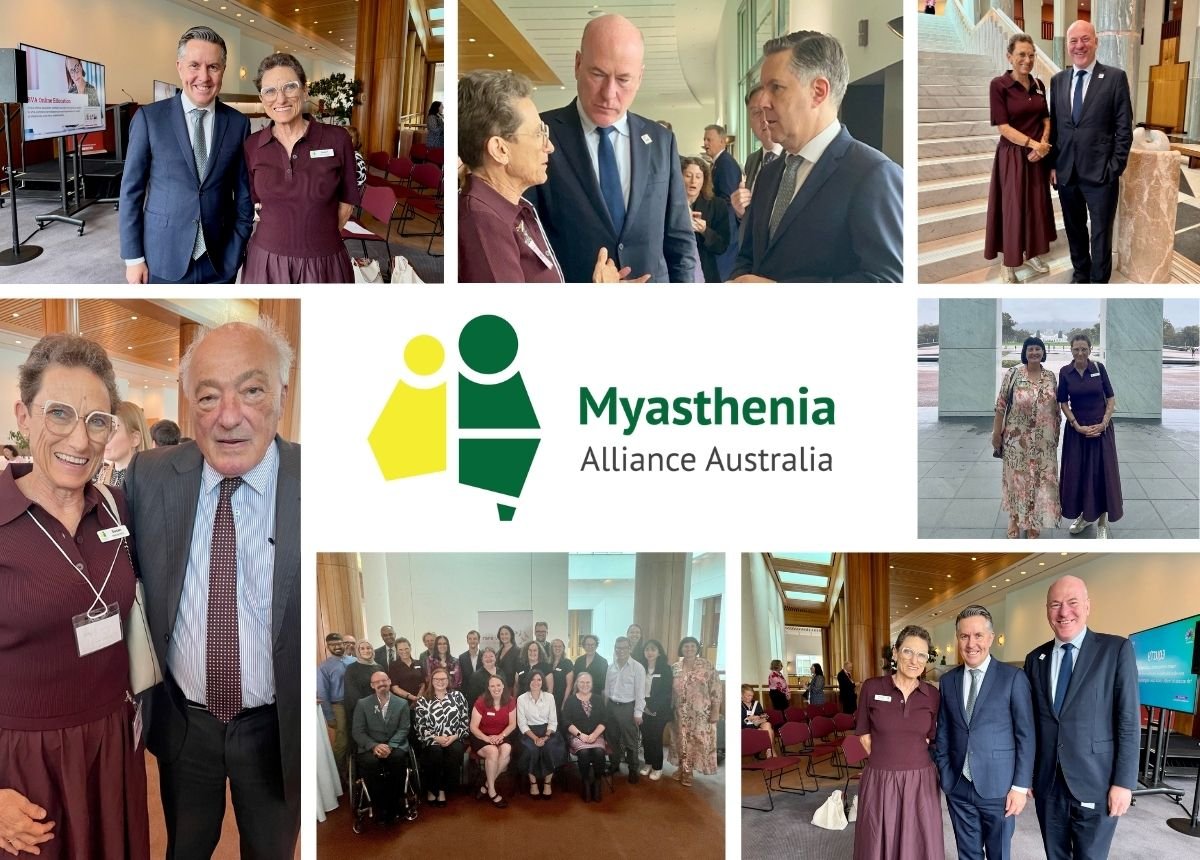
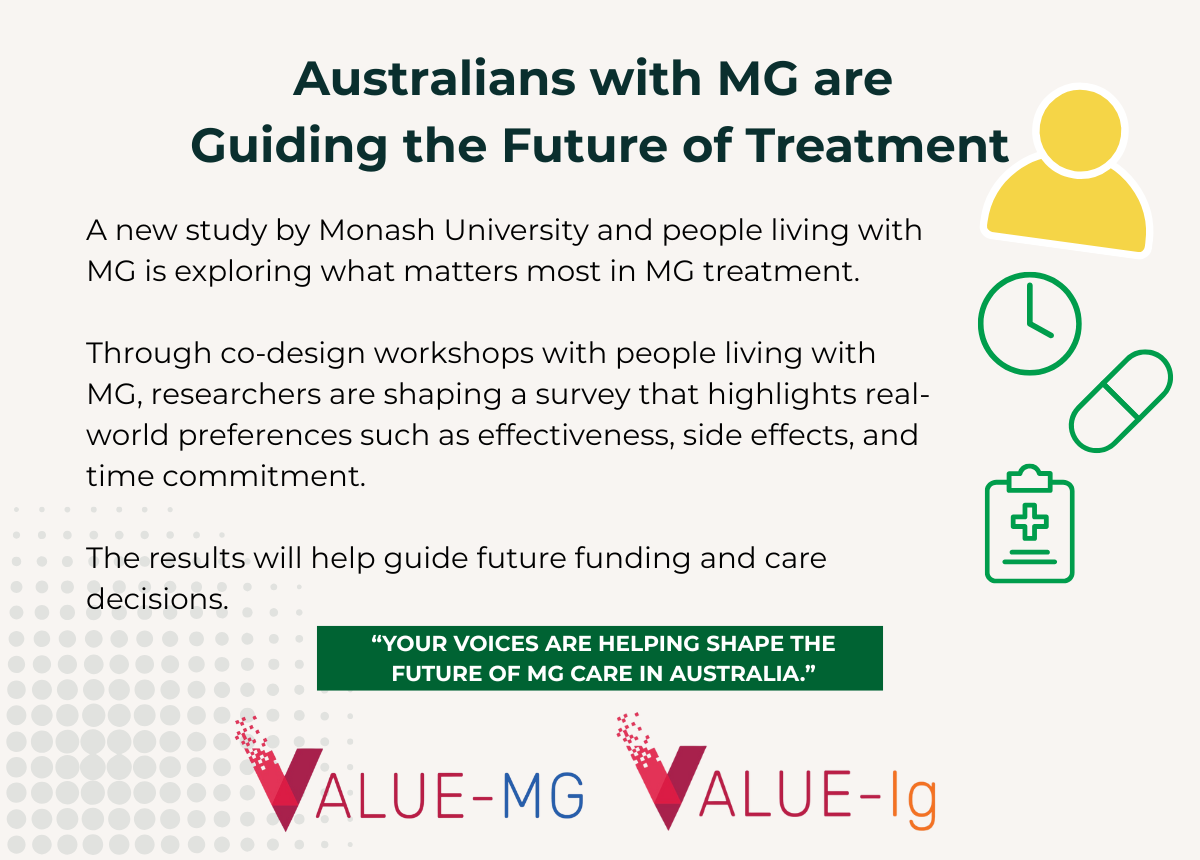
How Australians living with Myasthenia Gravis are shaping the future of MG treatment decisions
The research team at Monash University has been working on a new survey to understand what people with MG value most when it comes to treatments. This type of research helps inform how new treatments are funded and delivered – and this time, it’s being co-designed with patients and our MAA Community are involved.
EXPERT INSIGHTS
Myasthenia Gravis and symptom assessment tools to improve outcomes
How do we move from treating symptoms to truly understanding the person behind them?
In our latest webinar, Dr Carlo Antozzi, a world-leading neurologist from Milan, explores how patient-reported outcomes and holistic care are reshaping the future of myasthenia gravis treatment.
We learned that the patient must be included in the therapeutic path. It’s not only about prescribing drugs - we must think about the patient in a holistic way.
Dr Carlo Antozzi
Register for MAA’s News Feed
Clinical Updates & Research on MG
Stay informed with the latest clinical research, treatment guidelines, and best practices in Myasthenia Gravis care. Register for the MAA News Feed and receive key updates relevant to your practice.
Case Studies: Real-World Insights into MG Care
Clinical Cases That Inform & Improve MG Patient Care
Explore detailed case studies showcasing diverse presentations of Myasthenia Gravis, treatment approaches, and patient outcomes. These real-world scenarios provide valuable insights for enhancing patient care.


BALANCE TRAINING IN MG
Implementing Balance Strategy Training in an MG Patient
A study examined how balance strategy training impacted a patient with Myasthenia Gravis, focusing on improvements in stability and muscle function. The intervention was tailored to the patient’s needs, incorporating targeted exercises to enhance mobility. The results showed notable improvements in balance control, suggesting that structured training can help MG patients manage movement challenges more effectively.
Source:
School of Health & Rehabilitation Sciences, University of Queensland

POST-COVID MG INSIGHTS
Understanding COVID-19’s Impact on Australians with MG
A national study led by Dr. Pakeeran Siriratnam explored how Australians with Myasthenia Gravis (MG) were affected during the COVID-19 pandemic. With support from the MAA, 229 participants shared their experiences via an online survey.
While many reported minimal impact on MG treatment or disease control, nearly 70% described emotional and psychosocial challenges. The study underscores the need for holistic care that addresses both physical and mental wellbeing.
Source:
Monash University & Alfred Health Neurology Department

EMERGENCY MG MANAGEMENT
Emergency Management of Myasthenic Crisis
This study reviews best practices for evaluating and managing myasthenic crises in emergency settings, providing healthcare professionals with guidance on immediate intervention strategies. Key aspects include early respiratory assessment, prompt immunotherapy administration, and tailored crisis response plans. The study emphasizes that timely intervention can significantly improve patient outcomes, reducing hospital stays and complications related to respiratory failure.
Source:
National Library of Medicine

RISK FACTORS IN MG
Understanding Refractory Myasthenia Gravis in Younger Females
Emerging research identifies that young female patients may be at greater risk of developing refractory Myasthenia Gravis (MG), a form of the condition that is more resistant to standard treatments. The findings also emphasise the critical role of early intervention in improving long-term outcomes. By understanding these risk factors, healthcare professionals can tailor treatments for better patient management.
Source:
Ali A. Habib, MGFA Conference
Enhance Your Expertise with Educational Opportunities
Expand Your Knowledge with Webinars, Conferences & Training
Stay updated with the latest advancements in Myasthenia Gravis care. Explore our webinars, conferences, and training programs to expand your knowledge and improve patient outcomes.

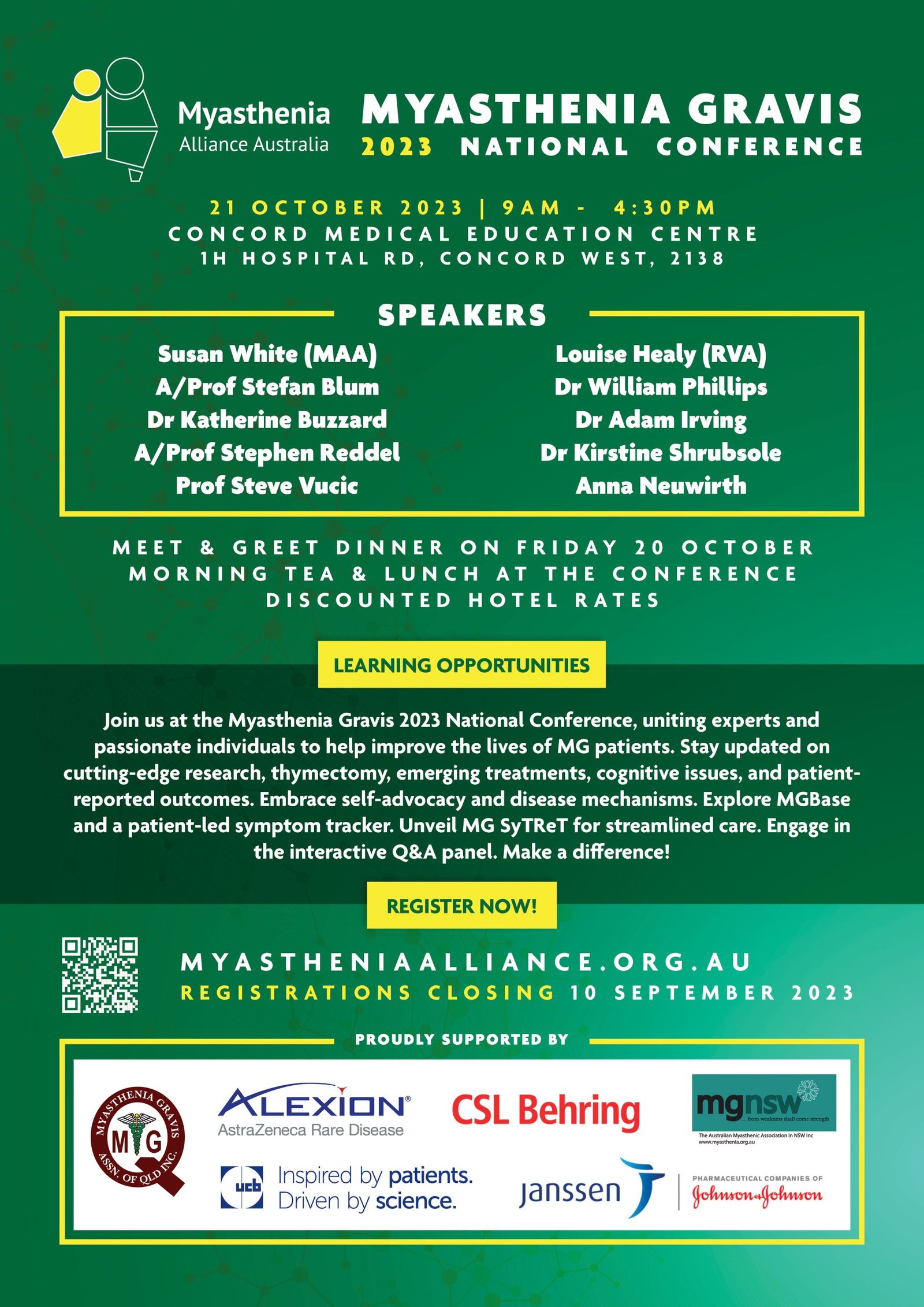
MAA National Conference
ADVANCING MG CARE TOGETHER
A Cornerstone Event for the Myasthenia Gravis Community
The MAA National Conference is a cornerstone event that brings together health professionals, researchers, and the myasthenia gravis community to share knowledge, insights, and lived experience.
The MAA will be pleased to consider future National Conference opportunities from 2027, with a continued focus on advancing education, connection, and outcomes for people living with myasthenia gravis.
Further updates will be shared when plans are confirmed.
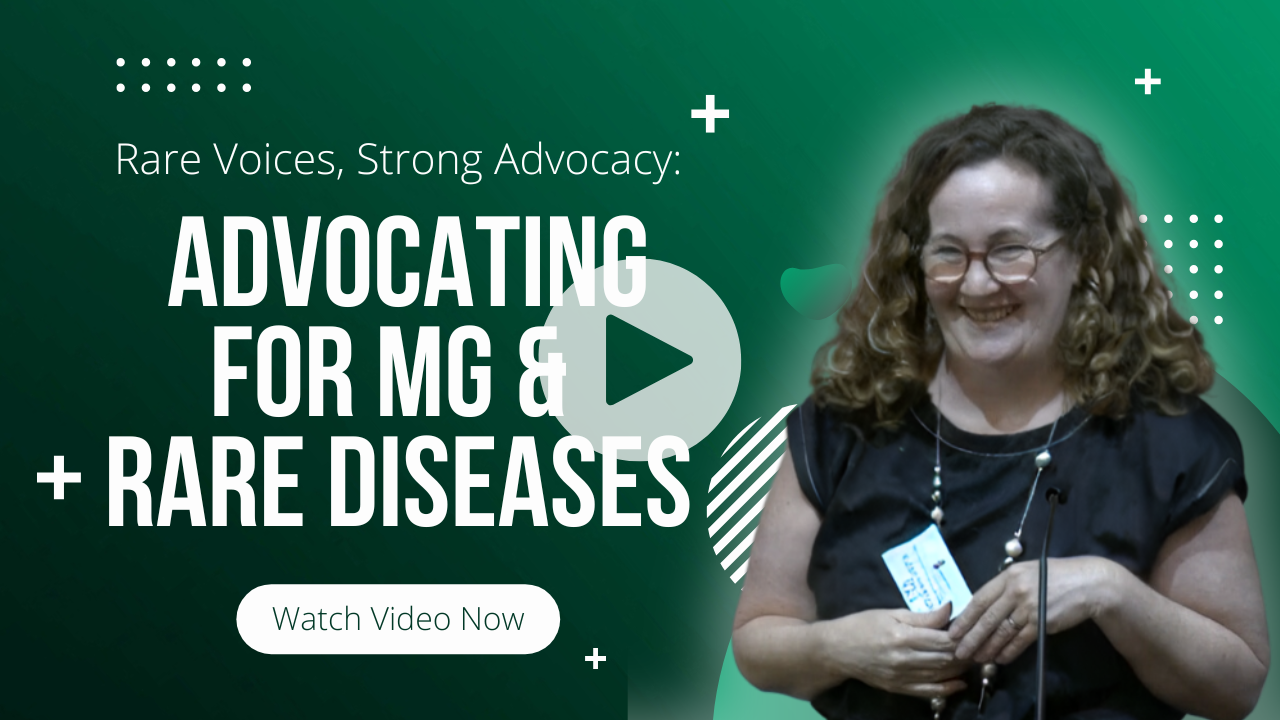
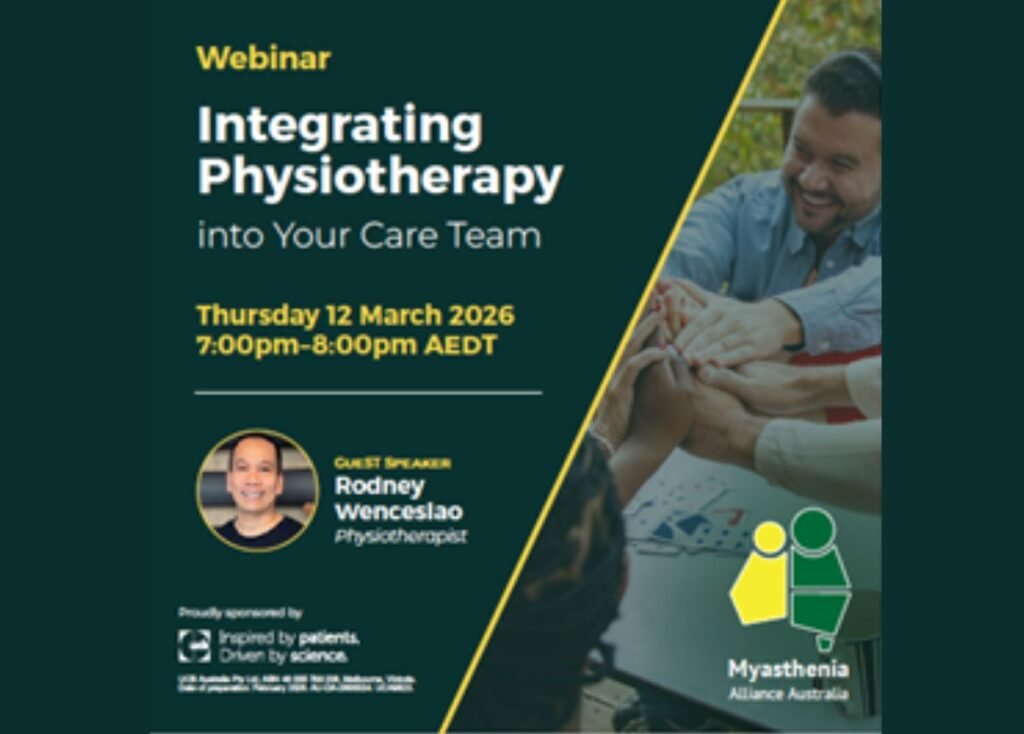
Advocacy’s Impact on MG Care: Insights from Louise Healy
Louise Healy, Education & Advocacy Manager at Rare Voices Australia (RVA), shares insights on patient empowerment, advocacy, and multidisciplinary care in Myasthenia Gravis treatment. Presented at the 4th National Patient-Focused MG Conference, this session explores how health professionals and advocacy groups can collaborate to improve patient outcomes.
RVA RARE Portal: Supporting Rare Disease Care in Health Professionals
The RARE Portal by Rare Voices Australia (RVA) is a dedicated online resource for healthcare professionals managing patients with rare diseases like Myasthenia Gravis. This platform offers guidance, best practices, and mental health resources to support holistic, patient-centered care.

Partnering to Advance Myasthenia Gravis Care
Collaborating for Breakthroughs in MG Research & Care
At MAA, we believe collaboration is key to advancing the understanding and treatment of Myasthenia Gravis. Join us in research projects, educational initiatives, and community outreach to make a meaningful impact.

Collaboration Opportunities
At MAA, we believe that partnerships drive progress. By collaborating with health professionals, researchers, and advocates, we can make significant strides in Myasthenia Gravis (MG) care, research, and patient support.
There are four key ways to get involved:
Research Partnerships
Work with us on groundbreaking research to uncover new insights into MG, improve treatments, and develop innovative care strategies.
Educational Contributions
Contribute your expertise to our webinars, conferences, and training programs, helping to educate fellow professionals and the broader community.
Patient Care Initiatives
Collaborate with MAA to develop resources, tools, and programs that empower patients and improve their quality of life.
Community Outreach
Partner with us to raise awareness about Myasthenia Gravis through community events, campaigns, and advocacy efforts.
Clinical Updates & Research on MG
Understanding Myasthenia Gravis (MG) is key to better management and treatment. This section highlights the latest research, emerging treatments, and medical advancements shaping the future of MG care.
Explore evidence-based insights, clinical studies, and expert perspectives to stay informed about ongoing developments in MG diagnosis, treatment, and care.
Read the latest updates below.